 English
 Español
 العربية
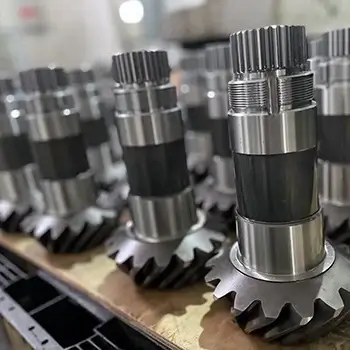
Spiral bevel gear
We supply custom spiral bevel gears with diversified specifications, multiple material & heat‑treatment solutions. View our product parameters, processing options, application ranges and available custom manufacturing services for heavy‑duty industrial transmission.
Product Parameters
1. General Introduction of Spiral Bevel Gear
Spiral bevel gear is a high‑performance angular transmission component with curved spiral teeth, designed for intersecting shaft power transmission (standard 90° shaft angle, customizable for 45°, 60°, 120° and other angles). Compared with straight bevel gears, its spiral teeth achieve gradual meshing engagement, featuring smoother operation, lower vibration, higher load capacity and stronger impact resistance.
As the core transmission part of heavy‑duty angular shifting equipment, spiral bevel gears can bear high torque, high speed and frequent impact loads. The curved tooth structure increases the meshing overlap coefficient, realizing transmission efficiency up to 96%‑99%. It solves the inherent defects of straight bevel gears such as large meshing impact, easy wear and high noise, and is the preferred gear for medium and high‑speed heavy‑duty angular transmission scenarios.
Core performance characteristics: high meshing stability, strong overload resistance, low operating noise, large torque bearing capacity. The main pain points for buyers include unreasonable axial thrust matching, poor tooth contact pattern, easy tooth pitting and fracture, mismatched gear pair meshing, and strict processing precision requirements leading to unqualified products easily.
2. Main Classification & Application Scenarios
| Gear Type | Structural & Tooth Feature | Speed‑Load Suitability | Typical Usage |
|---|---|---|---|
| Standard Spiral Bevel Gear Pair | Standard spiral angle 20°‑35°, paired left/right handed teeth, 90° shaft intersection | Medium‑high speed, heavy continuous load, low‑noise requirement | Industrial reducers, automation heavy‑duty equipment, general engineering machinery |
| Precision Ground Spiral Bevel Gear | Tooth surface precision grinding & lapping, optimized contact pattern, tiny tooth error | High‑speed, ultra‑low noise, high‑precision stable transmission | Precision servo reducers, aerospace auxiliary equipment, high‑end testing instruments |
| Heavy‑Duty Forged Spiral Bevel Gear | Forged blank, compact metal texture, enhanced tooth root strength | Low speed, ultra‑heavy torque, frequent impact load | Mining machinery, metallurgical equipment, large construction machinery |
| Non‑Standard Angle Spiral Bevel Gear | Custom non‑90° intersection angle, special spiral angle matching | Special structural equipment, customized transmission angle scenarios | Special industrial equipment, customized mechanical transmission mechanisms |
| Spiral Miter Gear (1:1 Ratio) | Equal tooth number, no speed change, only steering conversion | Medium speed, medium load, steering transmission requirement | General mechanical steering mechanism, small reducer steering module |
3. Factory Available Model, Dimension & Parameter Range
The following parameters cover the full production capacity of mainstream professional spiral bevel gear manufacturers. Factories support standard stock gear pairs and fully customized production based on customer drawings, 3D STEP files or physical sample reverse engineering. MOQ supports 1 piece for prototype trial production and small‑batch customized orders, with complete precision processing and testing capabilities.
3.1 Core Geometry Parameters
- Module (M):Full production range M0.5‑M30
- Micro precision module:M0.5‑M2;for precision instruments, miniature automation, medical equipment
- General industrial module:M2‑M12;for most reducers, engineering machinery, automation equipment
- Heavy industrial module:M12‑M30;for mining, metallurgy, large heavy‑duty transmission equipment
- Number of Teeth (Z):Minimum pinion Z≥10 (anti‑undercutting design), maximum customized teeth Z150+;standard gear ratio 1:1 ~ 1:10, support non‑standard custom transmission ratio
- Pressure Angle:Industry standard 20°; optional 14.5° and 25° for special precision and heavy‑load scenarios
- Spiral Angle:Standard 20°‑35° (most common 25°); support custom 15°‑45° left/right handed spiral angle
- Shaft Intersection Angle:Standard 90°; customizable 10°‑170° non‑standard angle
- Outer Pitch Diameter:20mm ~ 850mm; super‑large custom gear up to 1700mm
- Bore & Mounting Structure:Finished bore, keyway bore, spline bore, interference bore; maximum bore diameter 320mm; support custom flat position, flange, step hub and integrated gear shaft structure
- Accuracy Grade
- ISO 1328:Grade 5‑11
- AGMA:Q6‑Q13
- DIN:5‑10
- Commercial standard:ISO 8‑10; precision grinding grade:ISO 5‑7 for high‑speed low‑noise equipment
3.2 Tooth Surface Processing & Finishing Options
- Ordinary Milling Processing:Cost‑effective, high efficiency, accuracy ISO 8‑10, suitable for general medium‑low speed and medium‑load conventional equipment
- Tooth Lapping Processing:Core process for spiral bevel gear pairs, optimize meshing contact pattern, eliminate meshing gap, reduce operating noise and vibration
- Precision Tooth Grinding:Ultra‑high precision finishing, small tooth shape and direction error, stable meshing, accuracy ISO 5‑7, suitable for high‑speed, low‑noise and long‑life precision equipment
- Tooth Trimming & Crowning Modification:Compensate assembly deviation, avoid edge contact, improve overload resistance and operation stability
3.3 Standard Stock vs Custom Production
- Standard Stock Products:Fixed module, standard spiral angle, 90° shaft angle, conventional gear ratio (1:1/2:1/3:1), complete specifications, in‑stock supply, fast delivery, suitable for equipment replacement and conventional batch assembly
- Custom Products:Support non‑standard module, special spiral angle, non‑90° shaft angle, special bore structure and tooth profile customization; support reverse production according to samples and 3D files to meet special equipment design requirements
4. Optional Material, Heat Treatment & Surface Treatment
Manufacturers configure targeted materials, heat treatment and surface protection schemes according to buyers’ actual working conditions (torque, speed, impact load, running cycle, ambient environment) and cost budget, solving core problems such as gear wear, pitting, fracture and corrosion.
4.1 Material Selection Table
| Material Grade | Main Feature | Suitable Working Condition |
|---|---|---|
| 45# Carbon Steel / SAE1045 | Low cost, easy machining, good rigidity | Light‑load, intermittent operation, cost‑sensitive general non‑critical equipment |
| 40Cr / 4140 / 42CrMo4 | High toughness, strong fatigue resistance, uniform material texture | Medium‑load, medium‑speed, long‑term continuous running industrial equipment |
| 20CrMnTi / 20MnCr5 / SAE8620 | Classic carburizing alloy steel, hard surface and tough core, strong impact resistance | Most popular for spiral bevel gears: heavy‑load, frequent impact load, engineering machinery, reducer main drive; surface hardness HRC58‑62 |
| 20CrNiMo / 9310 | High‑grade carburizing steel, ultra‑high fatigue resistance and impact toughness | High‑end heavy‑duty equipment, wind power, mining, aerospace auxiliary transmission systems |
| 316 / 17‑4 PH Stainless Steel | Excellent anti‑corrosion, anti‑rust and oxidation resistance | Marine equipment, food machinery, chemical humid and corrosive working environments |
| Brass / Bronze Alloy | Self‑lubricating, low noise, anti‑wear | Precision instruments, low‑speed silent transmission special scenarios |
| Ductile Cast Iron QT600 | Low cost, strong shock absorption, good wear resistance | Low‑speed heavy‑load large‑diameter gears, cost‑sensitive industrial equipment |
4.2 Heat Treatment Options (Factory Supplied)
- Carburizing & Quench‑Tempering:Core process for spiral bevel gears; carburizing depth 0.5‑3.0mm, tooth surface hardness HRC58‑62, core hardness HRC30‑42. It ensures ultra‑high tooth surface wear resistance and strong core impact toughness, avoiding tooth fracture under impact load.
- Overall Quenching & Tempering:Suitable for 42CrMo and 40Cr alloy steel, overall hardness HRC28‑52, balanced strength and toughness, cost‑effective for medium‑load continuous operation equipment.
- Induction Surface Quenching:Local tooth surface hardening, small processing deformation, low cost, suitable for medium‑load conventional carbon steel spiral bevel gears.
- Nitriding Treatment:Ultra‑low deformation, high surface finish, improve corrosion resistance and wear resistance, suitable for high‑precision small spiral bevel gears.
4.3 Surface Treatment
Black oxide treatment, phosphating anti‑rust, galvanizing (white/color zinc), nickel plating, stainless steel passivation, anti‑rust oil coating; support customized wear‑resistant and anti‑corrosion coating treatment for special harsh working conditions.
5. Common Buyer Pain Points & Targeted Solutions(Core Chapter)
This chapter summarizes the most common and costly practical problems encountered by buyers in spiral bevel gear procurement, assembly and on‑site operation, analyzes root causes, and lists clear supplier constraint solutions to avoid equipment failure, rework and economic loss.
Pain Point 1: Severe noise and vibration after loading, normal at no‑load state
- Symptom:The gear runs smoothly without load, but produces obvious harsh noise and periodic vibration after bearing torque, and the noise intensifies with the increase of speed and load.
- Root Causes:Unqualified tooth contact pattern; insufficient gear pair lapping process; unreasonable backlash matching; poor tooth surface finish; assembly deviation without tooth crowning compensation.
- Buyer Targeted Solutions
- Mandatory require factory to complete professional gear pair lapping process, not only simple milling processing.
- Require suppliers to provide tooth contact pattern test photos and reports before delivery, ensuring uniform and reasonable meshing contact area.
- According to the actual operating speed, specify accurate backlash tolerance to avoid excessive gap impact noise or too small gap heating and jamming.
- Require tooth crowning modification to compensate on‑site assembly deviation and eliminate edge contact noise.
Pain Point 2: Frequent bearing damage and burnout, short bearing service life
- Symptom:The gear body has no wear or failure, but the matched bearing is frequently worn, heated and locked, resulting in frequent equipment shutdown.
- Root Causes:Spiral bevel gears produce large inherent axial thrust during operation; buyers ignore axial thrust in design; unreasonable spiral angle leads to excessive axial load; insufficient bearing capacity margin.
- Buyer Targeted Solutions
- Inform the supplier of bearing model, installation form and bearing limit load, require the factory to calculate actual axial thrust and optimize spiral angle matching.
- For long‑term high‑speed operation equipment, appropriately reduce the spiral angle to control axial thrust within the bearing tolerance range.
- Require suppliers to provide axial thrust parameter values for buyer’s bearing selection verification to avoid load overload.
Pain Point 3: Tooth surface pitting, wear and peeling, short service life under rated load
- Symptom:Gears work within the rated torque range, but tooth surface pitting, scratch wear and material peeling occur in a short time, resulting in reduced transmission accuracy.
- Root Causes:Low‑grade material selection; insufficient carburizing depth and surface hardness; unreasonable tooth width design; insufficient load safety factor; poor tooth surface finish.
- Buyer Targeted Solutions
- Prohibit ordinary carbon steel for heavy‑load spiral bevel gears; specify 20CrMnTi / SAE8620 carburized steel, clearly mark surface hardness HRC58‑62 and effective carburizing depth (≥0.8mm for medium module).
- Provide actual working parameters (continuous operation time, peak torque, impact frequency) to suppliers, require load simulation verification and reserve safety factor ≥1.3‑1.5.
- Require factory to optimize tooth surface roughness and fine finishing to reduce friction and delay wear and pitting failure.
Pain Point 4: Sudden tooth breakage under impact load
- Symptom:Gear teeth break suddenly during startup, shutdown or sudden load impact, causing equipment shutdown and production interruption.
- Root Causes:Tooth root stress concentration; unqualified heat treatment (hard surface and brittle core); insufficient core toughness; sharp tooth root corners; material internal defects.
- Buyer Targeted Solutions
- Mandatory tooth root fillet optimization processing, prohibit sharp right‑angle tooth roots to reduce stress concentration.
- Specify dual hardness inspection standards (surface hardness + core hardness) to avoid single high hardness leading to brittle fracture.
- Require suppliers to provide complete material test report (MTC) and heat treatment process record to ensure qualified raw materials and process.
- For frequent impact load equipment, appropriately increase module and tooth width to enhance tooth root structural strength.
Pain Point 5: Single replacement gear cannot mesh with old gear pair
- Symptom:Purchase a single new gear to replace the damaged old one, but the meshing is poor, noise is loud, and jamming occurs, unable to use normally.
- Root Causes:Spiral bevel gears are precision paired transmission parts; single independent processing cannot guarantee consistent tooth profile and contact pattern with the original gear.
- Buyer Targeted Solutions
- Priority to purchase complete matched gear pairs instead of single gear replacement.
- If single replacement is necessary, send the matching old gear to the factory for paired processing and lapping to ensure meshing consistency.
- Require factory to complete meshing test with the original gear before delivery and provide contact pattern report.
Pain Point 6: Dimensional deviation leads to assembly failure
- Symptom:Gear bore, keyway, outer circle and mounting size do not match the equipment shaft, unable to install or loose after installation, resulting in transmission jitter.
- Root Causes:Incomplete drawing tolerance marking; factory processing deviation; insufficient finished product full inspection; non‑standard keyway size and depth.
- Buyer Targeted Solutions
- Provide complete drawings with full tolerance marks and 3D STEP files when placing orders to clarify all processing standards.
- Require 100% full inspection of key assembly dimensions (bore, keyway, outer diameter, runout) before delivery, and provide formal dimension inspection report.
- For sample reverse customization, require suppliers to feed back full dimension measurement data for buyer confirmation before mass production.
Pain Point 7: Rust and corrosion failure in humid and harsh environments
- Symptom:Gears rust and corrode in outdoor, marine, chemical and humid environments, resulting in reduced meshing accuracy and accelerated wear.
- Root Causes:Ordinary carbon steel lacks effective anti‑corrosion treatment; single temporary anti‑rust oil cannot adapt to harsh working conditions.
- Buyer Targeted Solutions
- For corrosive environments, directly select 316 stainless steel or 17‑4PH stainless steel gears instead of relying on surface anti‑rust treatment.
- For carbon steel gears used in humid environments, require nickel plating or heavy phosphating anti‑corrosion treatment to replace ordinary temporary anti‑rust oil.
Pain Point 8: High prototype cost and long delivery cycle for small‑batch customization
- Symptom:Only 1‑2 sets of prototype gears are needed for R&D testing, but suppliers charge high fixture fees or have long delivery cycles.
- Root Causes:Traditional spiral bevel gear processing requires special fixture customization, and small‑batch orders have high single‑piece cost.
- Buyer Targeted Solutions
- Select manufacturers supporting MOQ=1 and 5‑axis CNC rapid prototyping to eliminate fixture customization costs.
- Prioritize standard stock gear pairs for preliminary R&D verification, and carry out customized production after parameter confirmation.
- Confirm prototype lead time (7‑15 working days) and mass production cycle (25‑45 working days) in the quotation to lock delivery time.
6. Acceptance, Inspection & Required Documents from Manufacturer
Buyers must clearly specify inspection documents and acceptance standards in purchase orders and quotations to standardize supplier delivery and eliminate unqualified products.
6.1 Mandatory Delivery Documents
- Material Test Certificate (MTC): Raw material chemical composition and mechanical property test report.
- Heat Treatment Report: Surface & core hardness test data, effective carburizing depth and process record.
- Dimensional Inspection Report: Key dimensions, runout tolerance, tooth shape and tooth direction precision data.
- Tooth Contact Pattern Test Report & Photos: Core inspection document for spiral bevel gears, to verify meshing quality.
- Meshing Backlash Inspection Report: Actual backlash data matching design requirements.
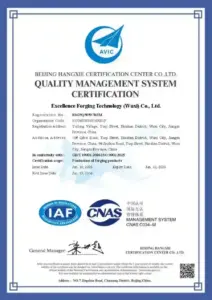
- Manufacturer qualification certificate: ISO9001 quality system certification copy.
- Optional third‑party report: SGS / TÜV inspection report for high‑end and export projects.
6.2 Core Acceptance Standards
- Ordinary industrial spiral bevel gear: tooth radial runout ≤0.03mm
- Precision grinding spiral bevel gear: tooth radial runout ≤0.015mm
- Hardness error: within ±2 HRC of the specified standard value
- Contact pattern: uniform meshing area, no edge contact or top/bottom contact deviation
- Meshing backlash: consistent with drawing design, no jamming or excessive gap vibration
- No cracks, pitting, burrs, deformation and processing defects on tooth surface and gear root
7. Buyer Ordering Specification Guide
To obtain accurate quotation and qualified products, buyers need to provide complete parameter information during inquiry to avoid processing rework and parameter deviation.
- Basic Gear Parameters:Module, number of teeth (pinion & big gear), gear ratio, pressure angle, spiral angle, left/right rotation direction, shaft intersection angle.
- Structural Dimensions:Outer pitch diameter, tooth width, bore size, keyway/spline parameters, mounting structure size, overall outline size.
- Process Requirements:Material grade, heat treatment mode, target hardness, carburizing depth, surface treatment type, precision grade (ISO/AGMA/DIN).
- Working Condition Parameters:Rated torque, peak impact torque, working speed, continuous/intermittent operation, expected service life, working environment (humid, high temperature, corrosive, dusty).
- Supporting Materials:2D engineering drawings, 3D STEP files or physical samples for reverse customization.
- Order Information:Prototype/small‑batch/mass production quantity, required delivery time, required inspection documents.
8. Typical Application Industries
Engineering machinery, mining equipment, metallurgical machinery, industrial reducers, vehicle transmission systems, agricultural machinery, automated heavy‑duty equipment, marine machinery, new energy equipment, special industrial transmission equipment, construction machinery accessories.
9. Supplier Capability Checklist (Buyer Evaluation)
- ☑ Support standard spiral bevel gear pair stock supply and non‑standard custom production (special angle, special spiral angle)
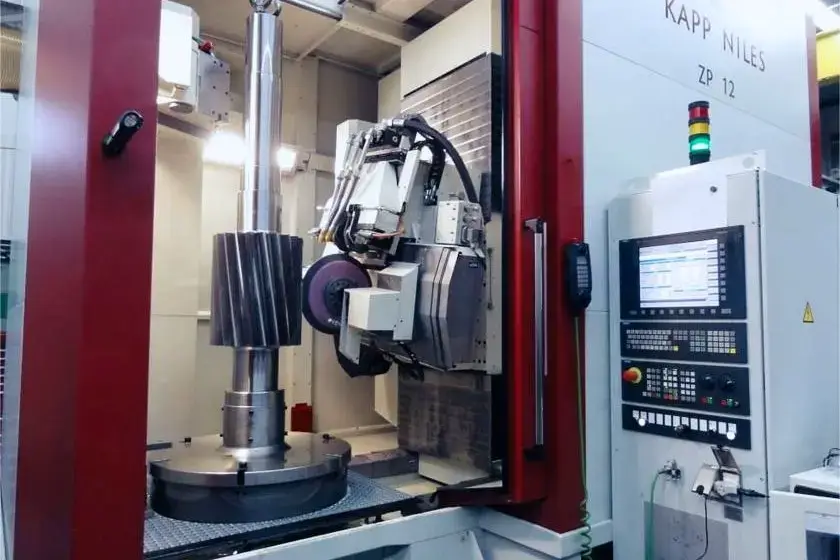
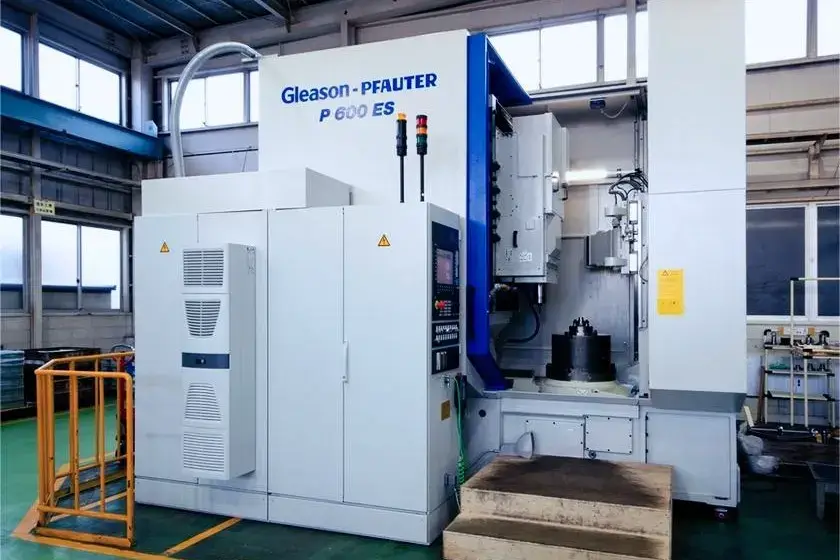
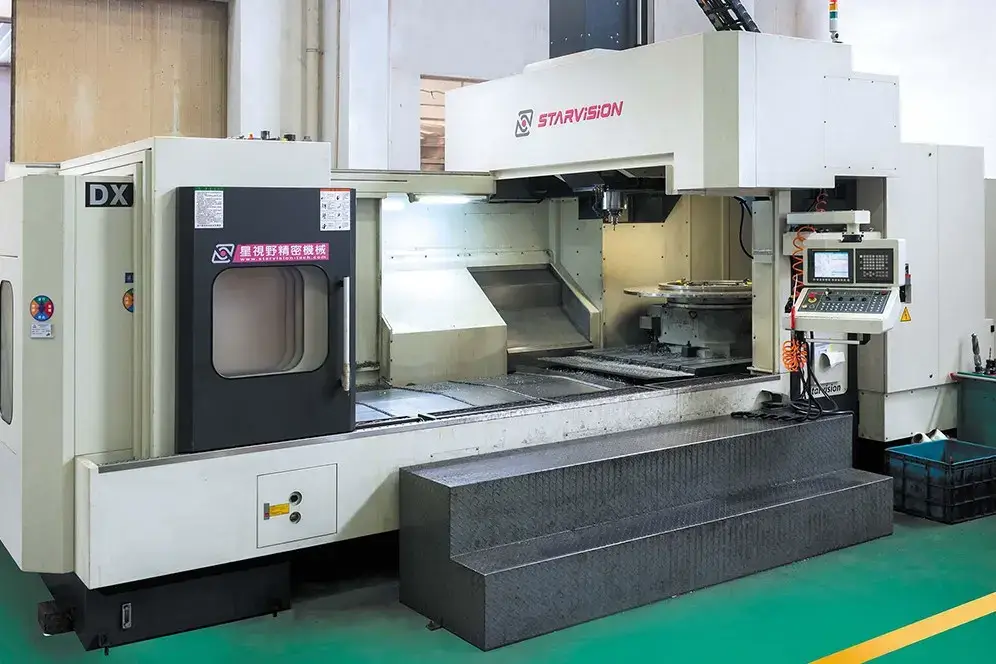
- ☑ Equipped with professional Gleason/Klingelnberg gear processing equipment, lapping and precision grinding equipment
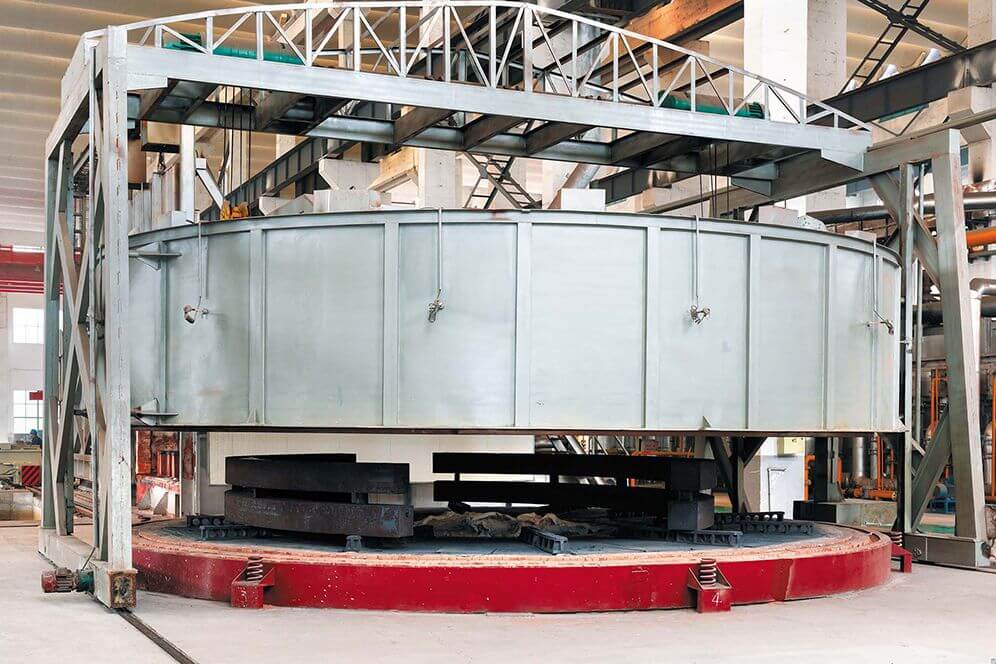
- ☑ Independent in‑house heat treatment workshop to ensure stable carburizing and quenching process quality
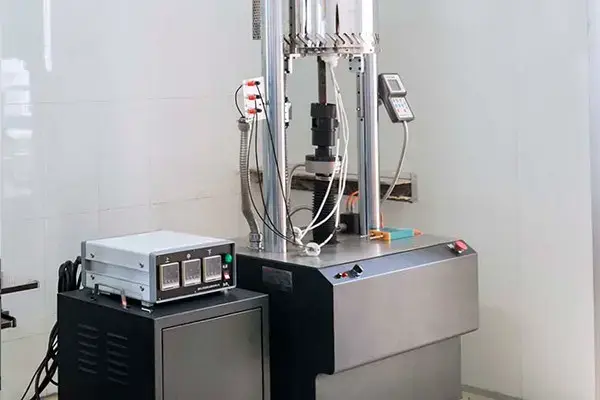
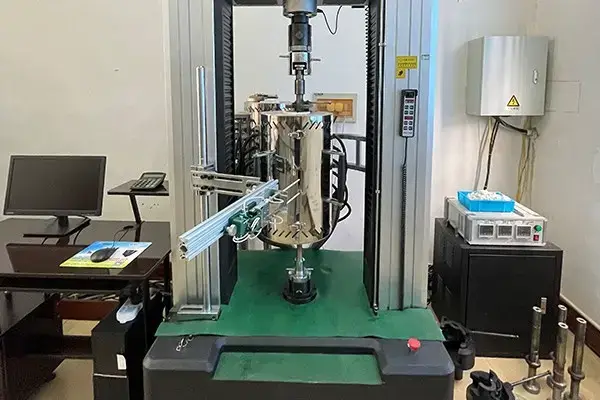
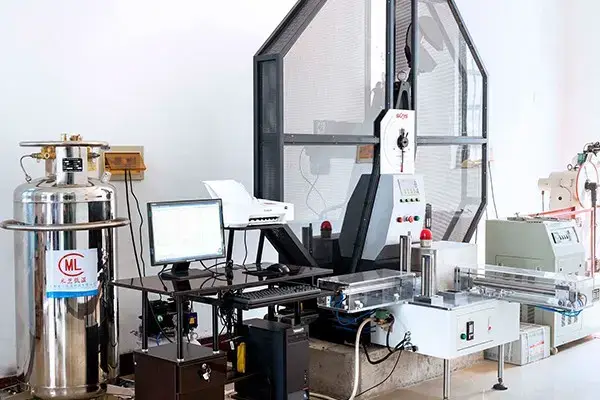
- ☑ Complete inspection system, can provide contact pattern test, dimension, material and heat treatment full reports
- ☑ Support MOQ=1 prototype trial production and small‑batch customized orders
- ☑ Quotation items are clear, no hidden charges for processing, lapping, inspection and surface treatment
- ☑ Provide professional pre‑sales technical support: axial thrust calculation, load verification, parameter optimization matching
- ☑ Clear after‑sales warranty terms, support rework and replacement for unqualified meshing and defective products
Production Workshop Video
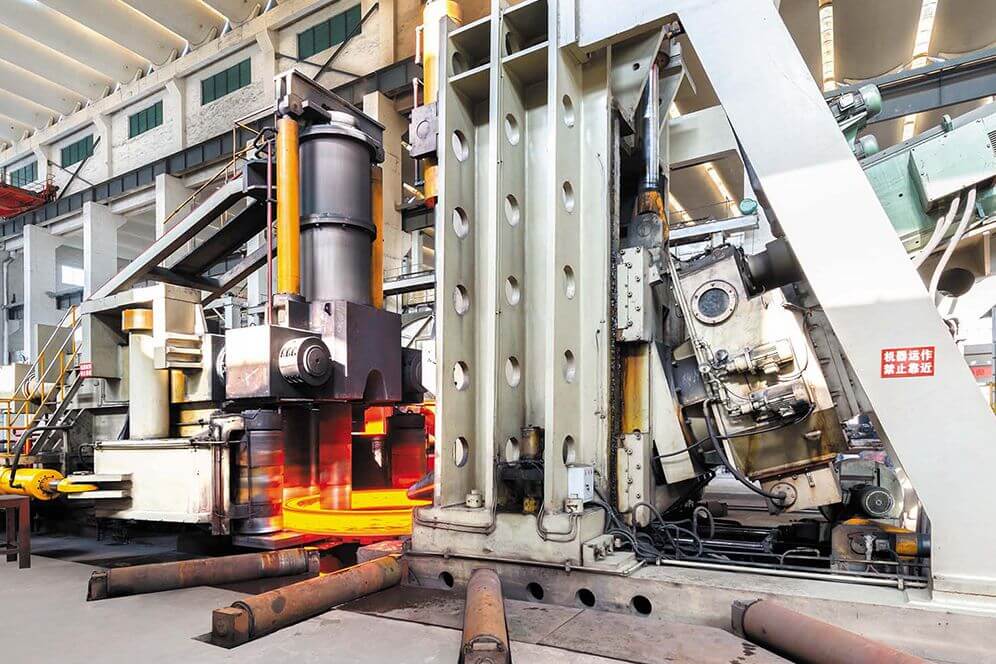
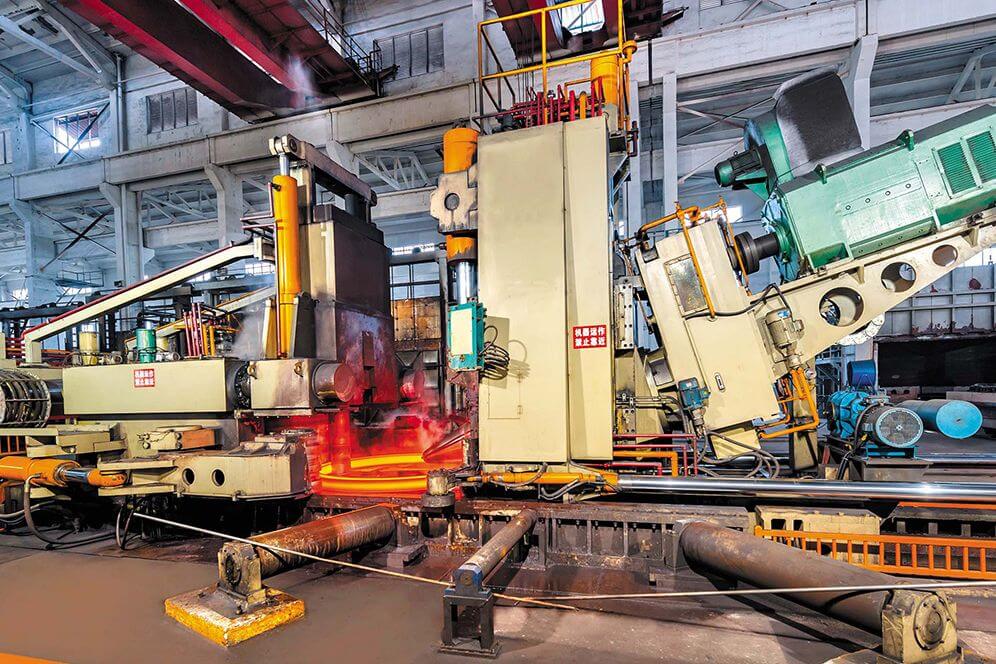
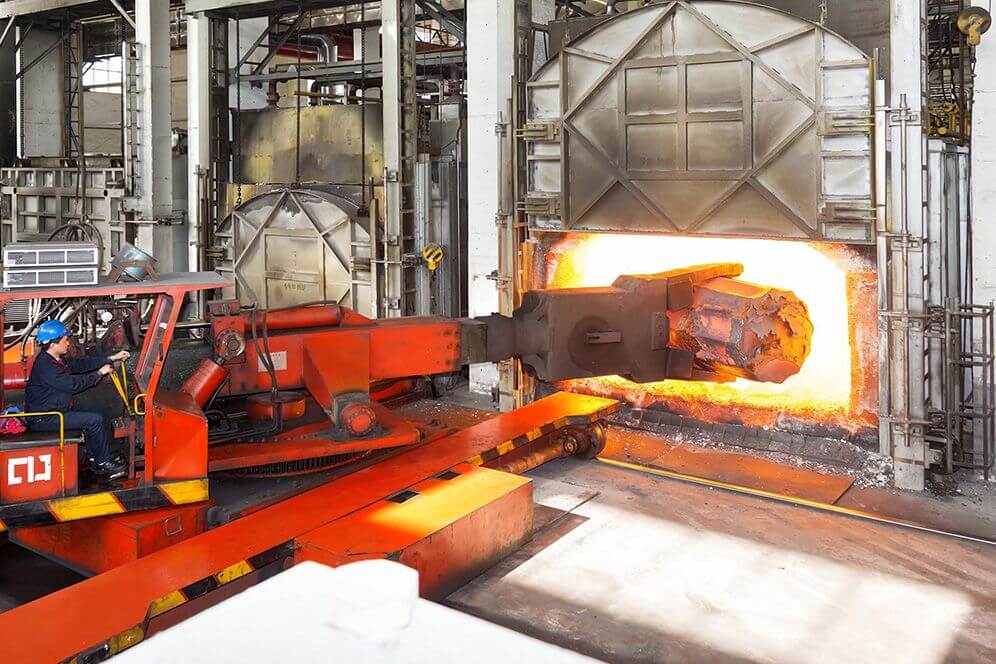
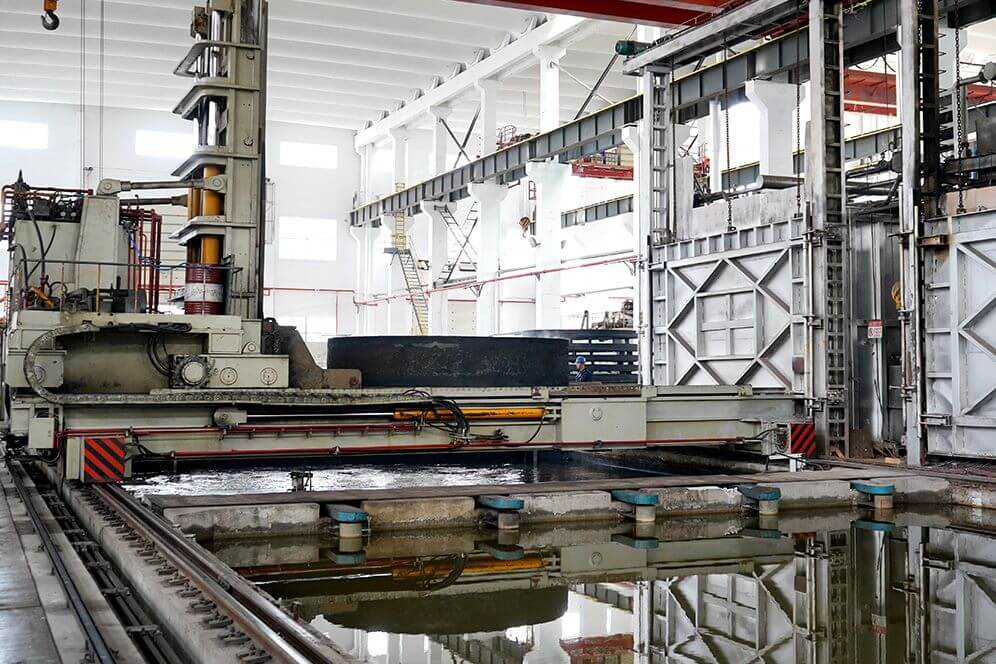
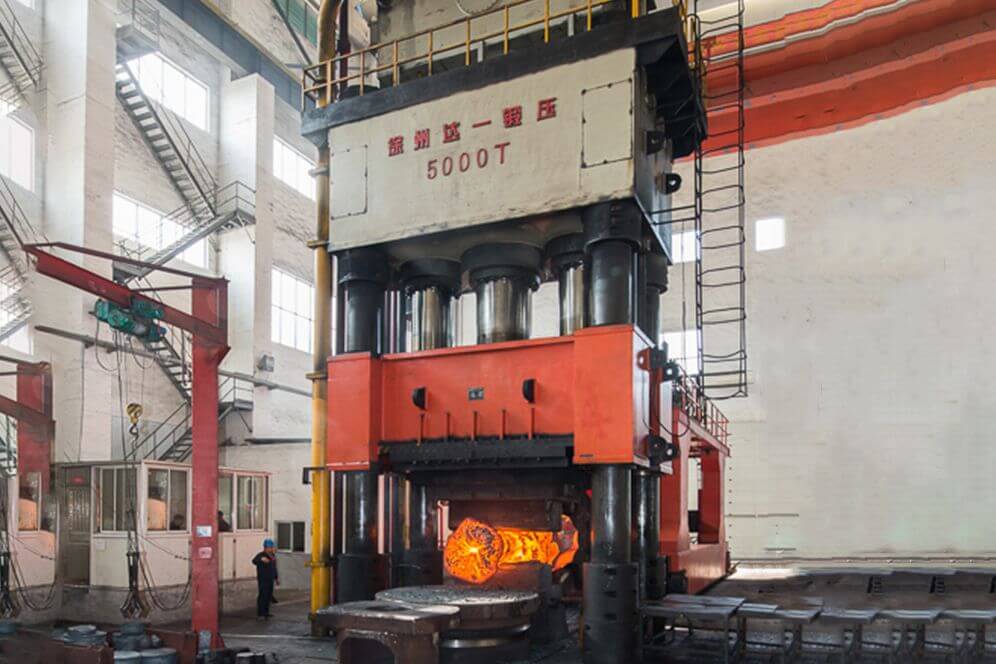
Forging workshop
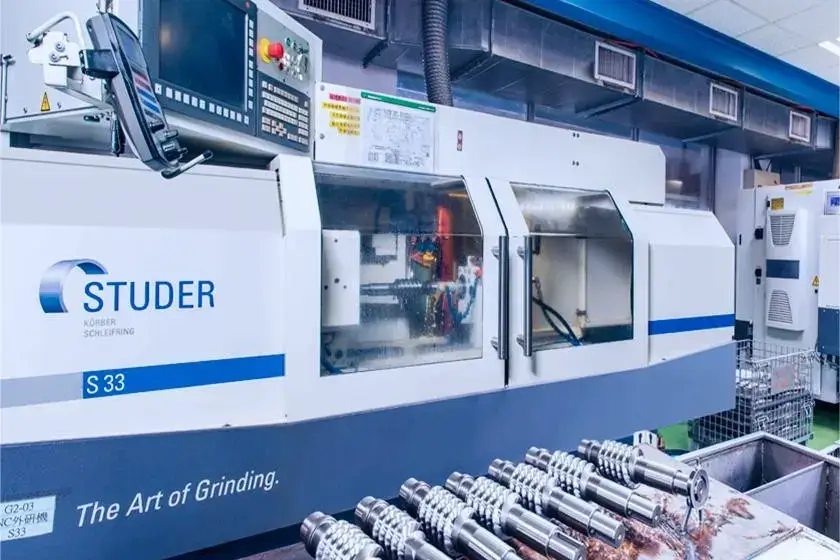
CNC Machining Workshop
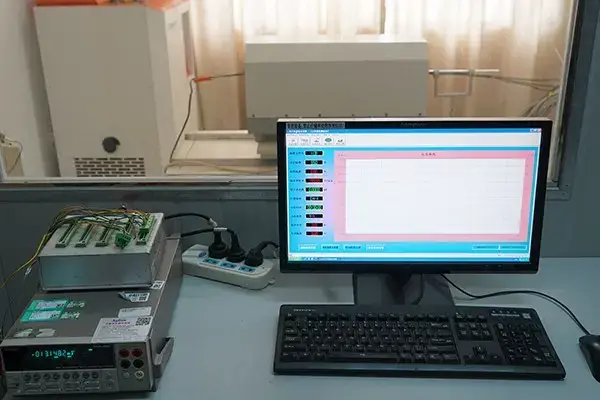
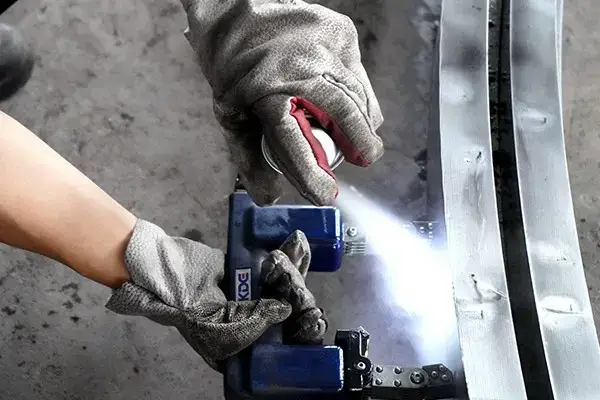
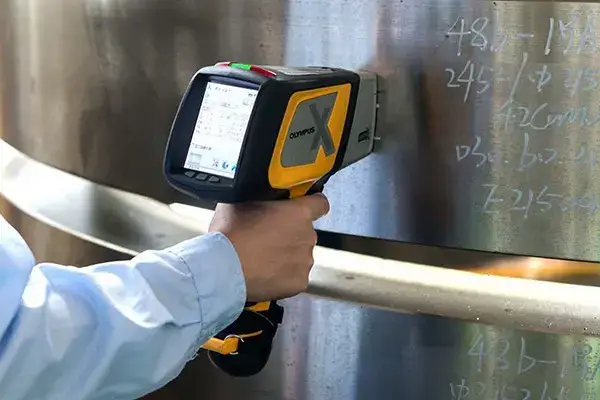
Testing equipment
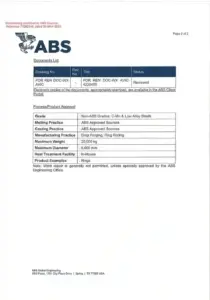
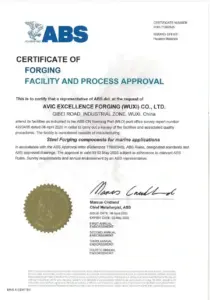
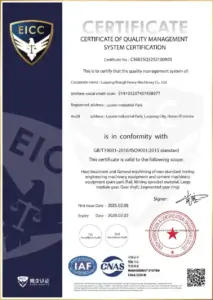
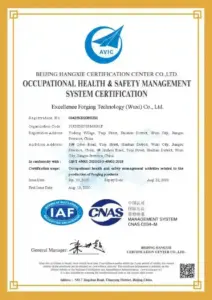
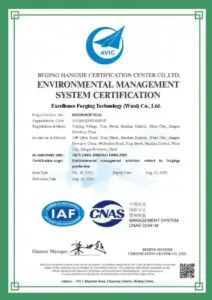
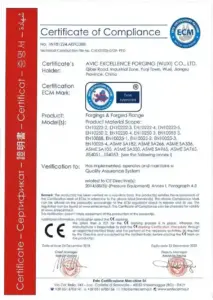
Certificate